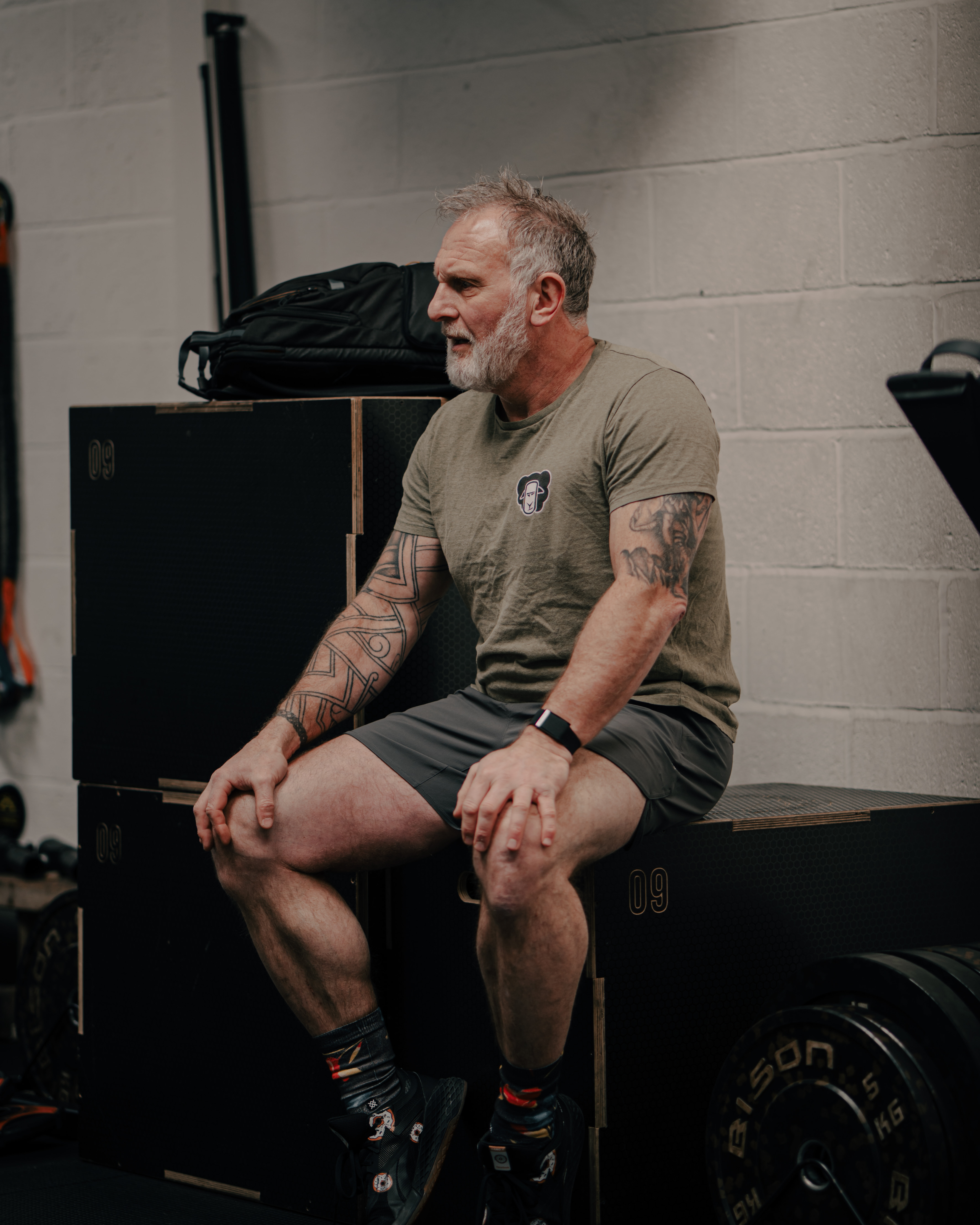
Active Recovery: Moving Better to Heal Faster | Inside the System by WS9 Fitness
Active Recovery
Moving Better to Heal Faster
Intro: Recovery Does Not Mean Stopping
When most people hear the word recovery, they think of rest days, doing nothing, or waiting until they feel better.
That assumption is one of the biggest barriers to sustainable progress.
At WS9 Fitness, recovery is not withdrawal from training.
It is a different form of training.
Active recovery is the practice of using low intensity movement to restore function, regulate the nervous system, and accelerate adaptation. It is how the body clears fatigue, re establishes rhythm, and prepares for the next productive training stimulus.
Done well, active recovery shortens the time between sessions and extends your ability to train consistently across months and years.
1. Why Stillness Slows Recovery
The human body is designed to move.
When movement stops completely, circulation slows, joint tissues stiffen, and the nervous system remains in a heightened state.
After hard training, waste products accumulate in muscle tissue and connective structures.
Gentle movement increases blood flow, which helps remove these by products and deliver oxygen and nutrients needed for repair.
Complete inactivity can delay this process.
This is why people often feel worse after doing nothing for several days than they do after light movement.
Active recovery keeps the system open rather than stagnant.
2. The Physiology of Active Recovery
Active recovery works through several key mechanisms.
First, it enhances circulation without adding stress.
Low intensity movement raises heart rate slightly, increasing blood flow without triggering further fatigue.
Second, it down regulates the nervous system.
Slow, controlled movement combined with steady breathing shifts the body toward parasympathetic dominance. This is the state where repair, digestion, and hormonal balance occur.
Third, it restores movement quality.
Light movement reinforces joint range, coordination, and posture without loading tissues that are still adapting.
In short, active recovery clears the signal from previous stress so the next stimulus can land cleanly.
3. Active Recovery Is Skill Training in Disguise
One of the overlooked benefits of active recovery is that it sharpens skill.
When intensity is low, attention increases.
You can feel how joints move, how breath flows, and where tension is held unnecessarily.
This awareness improves motor control and efficiency.
Over time, it leads to cleaner movement under load, reduced compensations, and fewer overuse injuries.
At WS9, recovery sessions are not random.
They are opportunities to refine movement patterns, breathing mechanics, and posture without pressure.
Skill does not only develop under heavy load.
It deepens when the nervous system feels safe enough to learn.
4. What Active Recovery Is Not
Active recovery is often misunderstood or misused.
It is not high volume conditioning done at lower effort.
It is not sweating for the sake of feeling productive.
It is not replacing rest with disguised training.
True active recovery should leave you feeling calmer, lighter, and more coordinated than when you started.
If you finish an active recovery session feeling drained, breathless, or sore, it missed its purpose.
At WS9, recovery sessions are judged by outcome, not effort.
5. Forms of Active Recovery Used Inside the System
Active recovery can take many forms, depending on context and need.
Common WS9 approaches include:
Walking at a relaxed pace, ideally outdoors
Light cyclical movement such as easy cycling or rowing
Mobility flows that move joints through comfortable ranges
Breath led movement sequences that coordinate posture and respiration
Low load carries focused on alignment and control
Each option shares the same intention: restore rhythm without introducing new stress.
The best choice is often the simplest one you will actually do consistently.
6. Breathing as the Anchor of Recovery
Breathing is the fastest way to influence recovery.
Slow nasal breathing, extended exhales, and relaxed rib movement all signal safety to the nervous system. This allows muscle tone to reduce and recovery processes to begin.
During active recovery, breathing should feel steady and unforced.
If breath becomes shallow or rushed, intensity is too high.
At WS9, coaches cue breathing deliberately during recovery work because breath is the bridge between physical and neurological restoration.
When breath calms, the body follows.
7. Active Recovery and Consistency
Consistency is not built by pushing harder.
It is built by staying engaged without burning out.
Active recovery keeps members connected to training rhythm even on lower energy days.
Instead of skipping sessions entirely, movement remains present but scaled appropriately.
This preserves habit, identity, and momentum.
Over time, this approach dramatically reduces the boom and bust cycles that derail progress.
Training that respects recovery lasts longer than training that ignores it.
8. Recovery Across Different Life Demands
Stress does not only come from the gym.
Work pressure, poor sleep, emotional load, and life transitions all draw from the same recovery budget.
Active recovery adapts to these realities.
On weeks when life stress is high, recovery movement maintains circulation and nervous system regulation without demanding more output.
This is one reason WS9 programming remains effective across different ages, careers, and life stages.
Recovery makes training flexible rather than fragile.
9. The Long Term Effect of Active Recovery
Over time, consistent active recovery produces compounding benefits.
Improved joint health
Reduced chronic tightness
Better sleep quality
Lower resting heart rate
Greater emotional regulation
Faster recovery between sessions
These outcomes are not dramatic in a single week.
They are powerful across years.
Active recovery is one of the quiet practices that separates short lived fitness from lifelong capability.
10. Begin Measuring What Matters
If you’re ready to understand where you currently stand, and how to progress, start with the WS9 Fitness Scorecard.
In less than three minutes, uncover where you stand across four core pillars of performance: Movement, Mindset, Energy, and Consistency.
Your results will guide you into a 1-, 3-, or 5-session OnRamp, designed to rebuild foundations, reconnect movement patterns, and form habits that support long-term success.
You’ll also receive a free 28-Day Email Program designed to rebalance your system and unlock your next stage of performance before being invited to join the next available OnRamp.
When you train with the Longevity Equation in mind, you stop chasing short-term outcomes, and begin building a life you can sustain.
Move with intention, recover with intelligence, and progress becomes inevitable.